


20 Years at UMMC: Dr. Risa Moriarity
- How did you end up coming to the University of Mississippi Medical Center, and did you imagine you’d still be here 20 years later?My husband and I moved from Baltimore to Mississippi in 2002 with a five-year plan and never imagined we'd still be here in 2025! He was recruited by a friend to join a community neurosurgery practice here. I had recently resigned from my plastic surgery program and decided to switch to emergency medicine. I interviewed here with Dr. Galli (chair) and Dr. Woodward (program director) and knew UMMC would be a great fit. I had an overwhelmingly positive experience as a resident here and joined the faculty so I could "pay it forward." My appreciation for the medical center has continued to grow over the years and contributed to our decision to stay in Mississippi.
- Looking back, what moments in the ED shaped you most as a clinician and leader?
Witnessing tragedy and grief on a regular basis creates empathy, and I think that has shaped me more than anything else in the emergency department.
- What is the best advice you have received from a colleague or mentor?
Rather than trying to be all things to all people, surround yourself with people who complement your skills and fill your gaps.- Are there mentorship leadership initiatives here you’re especially proud of shaping?
I wouldn't call it an "initiative," but I was the formal advisor in our residency program for nearly every woman resident for about 12 years. I also established our Women in EM group in 2016 and was responsible for all programming for several years, until Dr. Tiscareno assumed leadership of the group in 2023. In addition, I have done a lot of mentoring outside our department, through GWIMS and with medical students, and I am now working on creating a campus-wide faculty mentoring program that will be managed by the Office of Faculty Affairs.
- How have your EM experiences informed your approach to leadership and faculty development?
I believe the teamwork and camaraderie in emergency medicine are unmatched by any other field of medicine. This is obviously the result, in part, of the environment in which we work. However, I have tried to be intentional about building a strong team and fostering morale in my new role in faculty affairs. Even though the faculty affairs team is working in the comfort of an office and not the chaos of the emergency department, teamwork and morale are crucial for success.- If someone wanted to step into leadership but isn’t sure where to start, what’s your go-to advice?
I recommend getting involved outside of our department and outside of UMMC. I underestimated the power of networking earlier in my career (or maybe I was just in denial because I'm an introvert), but it opens doors to leadership roles. Committee service, giving presentations, and collaborating with others on seemingly small projects can lead to much larger opportunities.- If you could redesign one part of academic life to better support faculty growth and well-being, what would it be?
I would secure a donor to fund on-site child care at UMMC.
- How do you unwind when you’re off shift? Any hobbies or guilty pleasures?
I used to love running, especially half-marathons. Long distance running was like therapy! But after having a hip labral tear repaired, I gave that up. I still play tennis and enjoy gardening (especially vegetables) in my free time.
- What’s something people would be surprised to know about you?
I grew up abroad and didn't live in the U.S. until I was 18. I was born when my parents were living in Venezuela, and we then lived in Libya, Nigeria, and Indonesia. I was in Indonesia for 8 years and still consider that country home in many ways. When I was an Associate Program Director, I happened to interview an applicant who listed Indonesian fluency on his CV. So, I started the interview in Indonesian; it didn't go well for him.
- Who or what outside of medicine has helped keep you energized and motivated all these years?
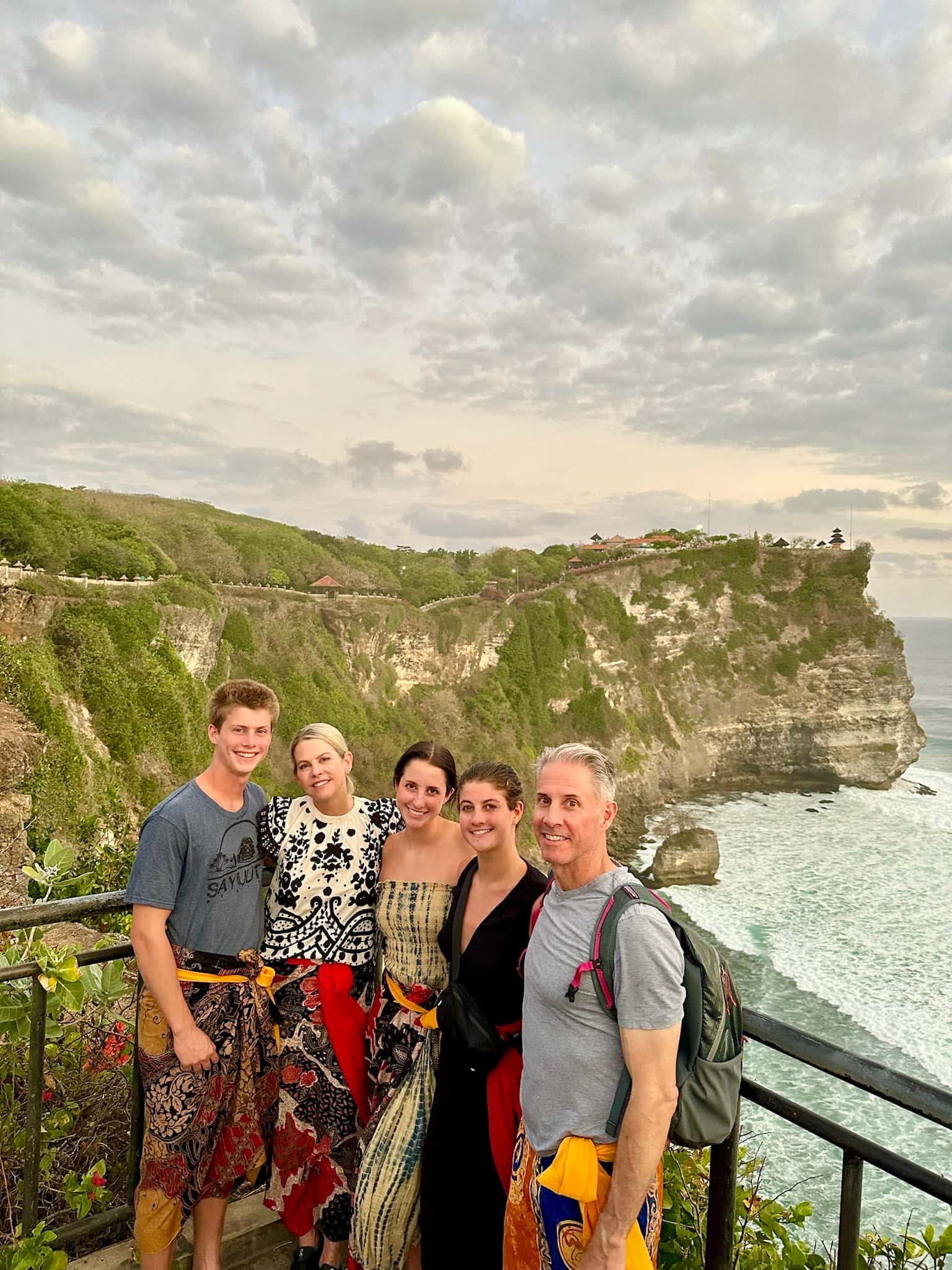
Travel! In part because of the way I grew up, I love visiting other countries; I feel stagnant if I haven't traveled outside the U.S. recently. I made it a priority to raise culturally literate children and have enjoyed exposing them to many countries and cultures over the years. I always return to work "recharged" after traveling.
- Favorite shift snack?
Coffee, especially Nespresso vanilla coffee that I bring from home.
- Most memorable non-clinical lesson you’ve learned in the ED?
Working in our emergency department reminds me on every shift how privileged I am. It keeps me grounded and grateful for everything I have, both the tangible and the intangible.